
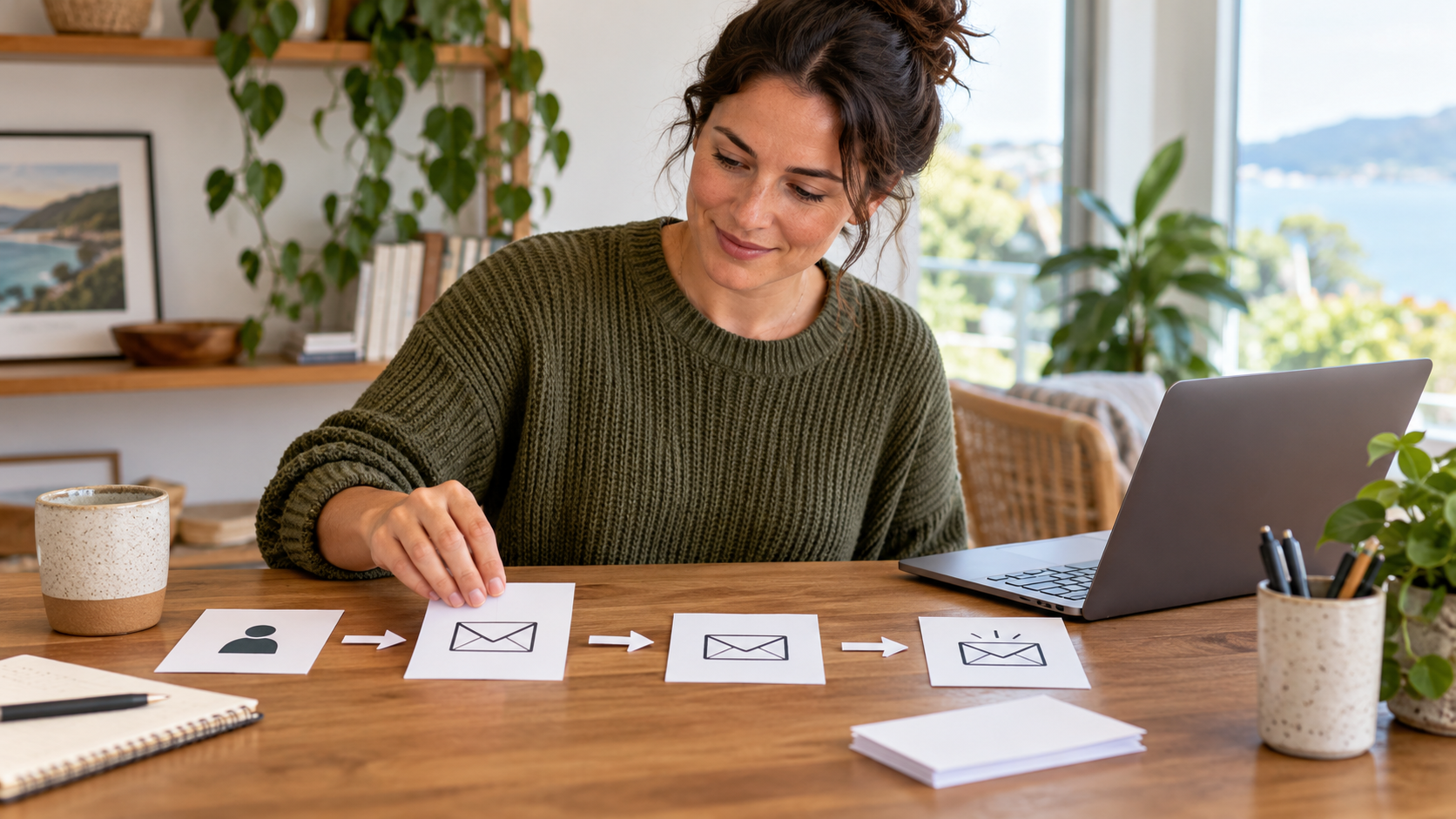
An email newsletter can feel like a quiet corner of a busy marketing plan. It is not as immediate as a social post and it does not ask a first-time visitor to buy on the spot. That can be its strength. Someone who chooses to hear from a small business is asking for a reason to stay connected, provided the messages remain useful and respectful of their attention.
The first job is not to collect the largest possible list. It is to give the right people a clear reason to sign up. A helpful invitation, a simple form and a consistent plan can turn a website visit into a relationship that develops over time.
Decide what the newsletter is for
Start with one practical purpose. A local service business may want to share seasonal reminders, explain common customer questions or announce limited availability. A shop may want to introduce useful products, new arrivals or care tips. A specialist business may use the newsletter to turn complicated topics into plain-language guidance.
Write down what a subscriber should expect to receive. This prevents the list from becoming a vague collection of addresses. It also makes it easier to choose subjects, a sensible frequency and a sign-up message that matches the actual experience.
Give visitors a genuine reason to join
A sign-up invitation should answer a simple question: what is in it for the reader? “Receive occasional practical tips” is clearer than “join our community” because it describes the benefit. If there is a seasonal update, useful checklist or early notice of a service change, say so accurately. Do not promise exclusive offers, weekly advice or urgent news unless the business can deliver them.
Place the invitation where it makes sense. A person who has read a detailed guide may be interested in similar guidance. Someone who has completed a purchase may welcome care information. The invitation should support the page they are already using, not interrupt it without context.
Make permission clear
People should understand that they are agreeing to receive marketing messages. Use direct wording near the sign-up field and avoid preselected consent boxes. If the business sends different types of updates, explain the distinction so a person can choose what is relevant to them.
Permission is not only a compliance task; it is the beginning of trust. A smaller list of people who expect the messages is more useful than a larger list built through confusion. Requirements can vary with the situation, so seek appropriate advice for the business, but the day-to-day principle is straightforward: be clear, keep records and make leaving easy.
Keep the form short and specific
For a basic newsletter, an email address may be enough. A first name can make a message friendlier, but it should not become a barrier. Ask for location, interests or other details only when they support a real benefit, such as receiving information that applies to a particular area or service.
Explain what will happen after submission. A confirmation message or a short welcome note can reassure the person that the request worked. Use that first message to restate what they will receive, how often and how to change their mind. It is a simple way to set expectations before the first full newsletter arrives.
Plan a sustainable rhythm
Consistency matters more than intensity. A business that can prepare one useful message each month may serve readers better than one that starts weekly and disappears after a few issues. Choose a rhythm that fits the team, then create a small list of future subjects before launching.
A practical plan can include customer questions, seasonal tasks, short case examples without identifying details, product care, service preparation and updates that genuinely affect customers. Leave room for current news, but do not rely on last-minute inspiration. A simple calendar makes it easier to publish with care.
Write for a person, not a campaign
A newsletter should feel like a helpful note from a business that understands why the reader signed up. Use a clear subject line, a short introduction and one main idea. Link the message to a useful page when there is more detail available, but make the email understandable on its own.
Keep promotional content honest and proportionate. A special offer should include the conditions people need to know. A new service should explain who it is for. If a message is mostly educational, let it remain educational rather than forcing every paragraph toward a sale. Over time, useful messages create more confidence than constant pressure.
Make opting out straightforward
Every marketing message should give the recipient a clear way to stop receiving it. Do not hide that route or make a person explain themselves first. A simple opt-out process respects people’s time and helps keep the list accurate.
Review returned messages and inactive addresses through the tools the business uses, and take care with customer information. The aim is not to chase every possible contact; it is to communicate responsibly with people who still want to hear from you.
Learn from useful signals
Look beyond a single measure. Replies, repeat website visits, enquiries that mention a topic and customer conversations can all show what readers value. A message with fewer opens may still be valuable if it answers a common question and reduces support requests. Treat the results as clues, then compare them with what customers actually say.
A newsletter list becomes valuable when it is built on relevance, permission and a realistic plan to keep showing up. Give visitors a clear choice, send information that respects that choice and keep the process simple from sign-up to opt-out. That approach helps a small business build a durable audience one useful message at a time.
Frequently asked questions
What should a small business email newsletter include?
Include useful information that matches the reason people joined, such as practical tips, timely updates, relevant offers or answers to common questions.
How often should a small business send a newsletter?
Choose a frequency the team can sustain while keeping each message useful. A reliable monthly schedule can be better than an inconsistent weekly one.
What should I ask for on a newsletter sign-up form?
Ask only for the information needed to send relevant updates. An email address is often enough for a basic newsletter.
How can I encourage people to sign up?
Explain the practical value they will receive and place the invitation near content or a task where that value is relevant.
Should consent boxes be preselected?
Use clear, active permission rather than assuming consent. People should understand they are choosing to receive marketing messages.
What should a welcome message say?
Confirm the sign-up, restate the type and expected frequency of messages, and explain how the person can change preferences or opt out.
How do I keep newsletter content useful?
Plan around real customer questions, seasonal needs and changes that matter to readers. Keep one main idea in each message.
Why is an easy opt-out important?
It respects recipients, keeps the list accurate and helps ensure the business communicates with people who still want the updates.
Leave a Reply